Bedding · Sleep systems
Inside Vispring’s Handcrafted Pocket-Spring Design
A mattress is a quiet piece of engineering. Beneath its fabric cover, springs and upholstery work together to shape how a bed responds, distributes pressure, and manages warmth. Vispring is known for combining pocket-spring construction with natural upholstery materials—a design approach best understood by looking past the surface and into the layers beneath it.
Published November 13, 2026
At first glance, a mattress seems to promise a single sensation: softness, firmness, or something between the two. But the feel of a sleep surface is not produced by one material or one mechanical feature. It emerges from an assembly. Springs compress and recover; upholstery cushions and buffers; the cover holds the layers in place. The bed beneath a sleeper is a small landscape of forces, responding differently at the shoulder, hip, and lower back.
Vispring’s handcrafted sleep systems bring together pocket springs and natural upholstery materials. That description points to two important parts of a mattress, but it does not tell the whole story. Spring design, layer arrangement, material quantity, tension, and finishing all contribute to the result. Understanding these elements gives shoppers a more useful way to compare beds than relying on broad labels such as “luxury,” “natural,” or “supportive.”
It also helps to separate what construction can explain from what it cannot. A particular design may offer a certain kind of spring response or use specified upholstery fibers, but no construction detail guarantees a perfect night’s sleep for every person. Comfort is personal, and sleep is influenced by more than a mattress: bedroom temperature, habits, health, and sleeping position all matter. The most practical approach is to learn what a bed is made to do, then consider how its characteristics fit an individual sleeper.
The pocket spring: movement held in place
In a pocket-spring system, individual springs are enclosed in fabric pockets. Rather than forming one connected metal unit, each spring is intended to move with some independence from its neighbors. When pressure is applied, the springs beneath that area compress. Nearby springs may respond as well, but the movement is not necessarily shared across the entire surface in the same way it might be in a more interconnected spring structure.
That localized response can help a mattress accommodate the contours of a body. A sleeper’s weight is not spread evenly: it is concentrated at points such as the shoulder and hip, with other areas needing a different degree of contact. A pocketed arrangement gives the spring layer a way to respond across these changing pressure zones. How distinctly it does so depends on the overall construction—not simply on the presence of pockets.
Spring count is sometimes treated as a shortcut for judging quality or comfort. It is not. Counts can vary according to mattress size and the way a maker defines a spring unit, and a larger number does not by itself establish that a mattress will suit a particular person. Spring shape, tension, wire characteristics, layout, and the layers above and below the springs all affect the finished feel. A useful comparison asks how the whole system is constructed rather than focusing on one figure.
There is also a difference between a spring’s action and the bed’s total support. The spring core provides a responsive foundation, while upholstery layers influence how the body meets that foundation. A mattress can feel cushioned at first contact yet remain structured below; another may feel more immediately buoyant or firm. These impressions are produced by the partnership between the components, not by a spring working alone.
Natural upholstery: the layers above the mechanics
Natural upholstery refers to materials from natural sources used as padding or comfort layers within a mattress. Depending on the model, these may include fibers such as wool, cotton, or other materials. The exact ingredients, proportions, and placement should be checked for the specific mattress: a brand-wide description does not mean every design has the same composition.
These layers have several jobs. They soften the transition between the sleeper and the spring unit, add cushioning, and influence how quickly pressure is felt at the surface. Their structure and density can also affect how the mattress responds when a sleeper turns or settles into a position. In this sense, upholstery is not merely decorative padding. It is part of the bed’s mechanical and sensory design.
Fiber properties can shape the sleep environment, but material names alone should not be mistaken for performance guarantees. Natural fibers differ in texture, resilience, moisture behavior, and care needs. Their contribution depends on how they are prepared and arranged, how much is used, and what other layers surround them. The word “natural” is a description of origin, not a universal measure of comfort, durability, or environmental impact.
For readers who value material transparency, a detailed specification is more informative than a broad marketing phrase. Look for the named fibers, their position in the mattress, any disclosed certifications, and the maker’s guidance on maintenance. If a material is important because of an allergy, sensitivity, or personal preference, verify the composition and consult an appropriate professional when needed. A label cannot substitute for an individual assessment.
How springs and upholstery work together
A useful way to picture a pocket-spring mattress is as a sequence of responses. The cover provides the first contact. Upholstery layers compress under the body and soften the surface feel. Beneath them, springs respond to load and help maintain the structure of the sleep system. The sensation a sleeper notices is the combined result of those layers acting in concert.
Imagine lying on your side. The shoulder and hip may press more deeply into the bed than the waist or legs. The surface layers determine how quickly that pressure is cushioned; the spring layer influences how the mattress yields beneath those points and returns when the pressure changes. A well-matched design should feel coherent rather than divided into a soft top and an unrelated support core. Yet what feels coherent to one person may feel too yielding or too firm to another.
Body size, shape, sleeping position, and personal preference all influence how a mattress is experienced. Two people lying on the same model may describe its feel differently. A person who spends most of the night on their side may prioritize a different balance of cushioning and support than someone who sleeps mainly on their back. Partners may also differ in preferred firmness or how sensitive they are to movement. These are reasons to evaluate the bed in person when possible and to understand the trial and return terms before purchase.
Firmness and support are often used as though they mean the same thing, but they describe different aspects of the experience. Firmness is commonly used to describe the initial feel at the surface. Support concerns how the mattress holds the body across the sleep surface. A mattress can feel plush on top while still offering a more structured response beneath; firmness labels, however, are not standardized across all makers. Testing the bed and reviewing model-specific construction details provide more context than a label alone.
Temperature comfort is a system, too
Sleep comfort is shaped by the small climate around the body. Bedding, nightwear, room temperature, humidity, airflow, and individual physiology all play a role. Mattress materials contribute to this environment, but they are only part of it. Natural upholstery is often discussed in connection with breathability or moisture management; those characteristics depend on the actual fibers and construction, and should not be treated as a promise that a bed will keep every sleeper cool.
Heat can be affected by how air moves through the mattress, how much material surrounds the sleeper, and how the bed is layered. A dense comfort layer and a lighter, more open structure may create different sensations, but material labels do not reveal the entire story. Bedding above the mattress matters as well. A thick comforter, closely woven sheets, or a waterproof protector can change the surface climate regardless of the mattress core.
If a bed feels warm, consider the sleep environment as a whole before attributing the issue to one component. Room ventilation, bedding weight, clothing, and the sleeper’s own temperature sensitivity are all worth examining. Adjusting these factors may help clarify whether the mattress itself is contributing to discomfort. Persistent or severe sleep problems deserve advice from a qualified health professional rather than assumptions based on bedding alone.
What “handcrafted” can—and cannot—tell you
Handcrafted is a description of how a product is made, but its meaning can vary. It may refer to particular assembly or finishing processes; it does not automatically specify how a mattress will feel, how long it will last, or whether its materials meet a particular standard. To understand what the term means for a particular Vispring model, readers should consult that model’s published construction and care information.
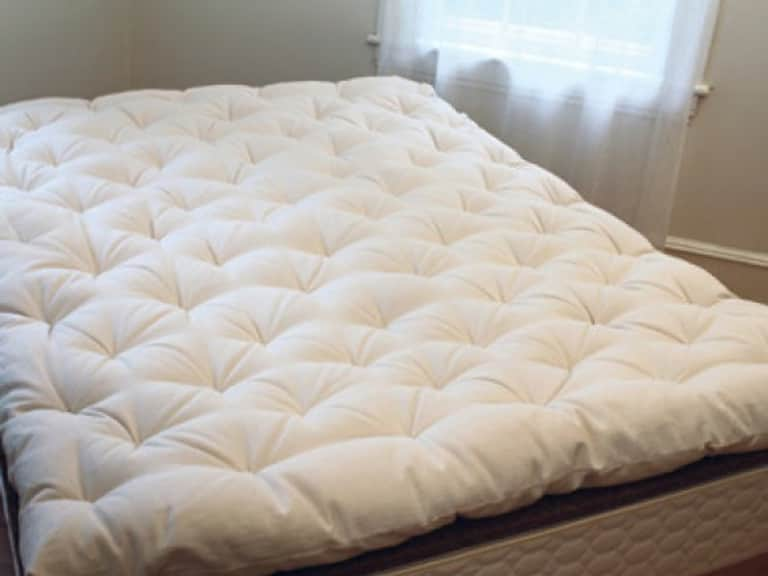
Careful assembly can matter because the finished mattress depends on layers being held together and functioning as intended. Tufting, stitching, quilting, and edge construction, where used, are details that may help explain how a mattress is finished. But no single craft detail can establish the entire product’s quality. The materials, their arrangement, construction consistency, the foundation beneath the bed, and daily use are all part of the picture.
Handmade or hand-finished production can also mean that small variations occur. Whether those variations are expected, and how they are handled, depends on the maker’s specifications and warranty terms. If a buyer has questions about height, dimensions, comfort adjustment, or a particular material, written product information and direct confirmation from an authorized source are more reliable than assumptions based on a general description.
Long-term care begins with the foundation
A mattress is not an isolated object. It rests on a foundation or frame, and that base can influence how the sleep system performs. Follow the maker’s guidance for compatible support, spacing, and any required center support for larger sizes. A foundation that is unsuitable for the mattress may affect how it sits and responds. Care instructions should be specific to the model rather than borrowed from a different bed or from general online advice.
Rotation and flipping are not interchangeable care steps. Some mattresses are designed to be rotated from head to foot, while others may have a defined top and bottom and should not be flipped. The correct routine depends on construction. Check the manufacturer’s instructions before moving a mattress, especially if it contains layered upholstery or a one-sided design.
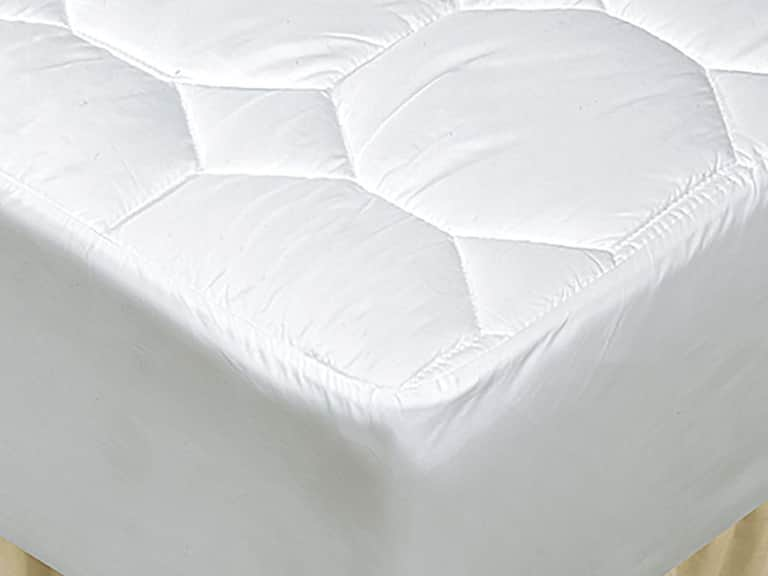
A breathable, washable mattress protector can help guard against spills, dust, and everyday soiling, though the protector itself may alter the feel or temperature of the sleep surface. Choose one that fits securely and follow its care label. Avoid applying moisture, cleaners, or treatments directly to the mattress unless the maker explicitly recommends them. Allowing a wet mattress to dry thoroughly is important, but prevention is often simpler than attempting deep cleaning after a spill.
Mattresses are affected by use, room conditions, and the suitability of the bed frame. Keep the sleep area reasonably ventilated, follow the manufacturer’s handling instructions, and avoid bending or folding the mattress unless it is designed for that. When comfort changes, check the foundation and surrounding bedding as well as the mattress itself. A sagging frame or shifted protector can influence the experience and may be mistaken for a change in the mattress.
A practical checklist for comparing designs
When evaluating Vispring or any other pocket-spring sleep system, slow the comparison down. A few specific questions can help turn an impression into a more informed decision:
- What is inside this model? Review the stated spring construction and the named upholstery materials, not only the brand’s general description.
- How are the layers arranged? Ask how the comfort layers and spring unit work together, and whether the design has a distinct top and bottom.
- How does it feel in your usual position? Spend enough time on the bed to notice pressure, ease of movement, and whether the surface feels balanced.
- What matters to your sleep climate? Consider bedroom temperature, bedding weight, airflow, and your own sensitivity to warmth.
- What support does it require? Confirm the recommended frame or foundation and any limits on spacing or center support.
- How should it be maintained? Check whether it should be rotated, whether it can be flipped, and what cleaning methods are permitted.
- What protections apply? Read the warranty, delivery, trial, exchange, and return conditions before making a decision.
Testing a mattress can be more useful when the test resembles real sleep. Wear comfortable clothing, use your regular sleeping position, and give yourself time to settle. Notice whether pressure builds at the shoulder or hip, whether it is easy to change positions, and whether the bed feels stable across the areas your body contacts. A brief sit on the edge or a quick press of the hand offers only a narrow glimpse of the system.
For couples, both sleepers should test the bed where possible. Compare not only initial comfort but also whether movement on one side is noticeable on the other. Pocket springs are designed as individual units, yet the degree of motion isolation depends on the mattress as a whole. Claims about motion, pressure relief, or sleep improvement should be weighed alongside personal experience and the actual construction details.
A bed is part of a wider sleep environment
Mattress design can shape comfort, but it cannot diagnose or treat a sleep disorder. A new bed may not resolve persistent insomnia, loud snoring, breathing interruptions, or ongoing daytime sleepiness. These concerns have many possible causes and should be discussed with a healthcare professional. Construction details are useful for understanding a product; they are not a substitute for medical guidance.
For everyday sleep habits, the room and routine deserve attention alongside the mattress. A dark, quiet, comfortable space can support rest, while a regular schedule may help the body anticipate sleep. Caffeine timing, evening light, exercise, stress, and work schedules can influence how readily a person falls asleep. The best sleep environment is not necessarily the most elaborate one. It is the one that suits the sleeper and can be maintained consistently.
This broader perspective also brings a measure of realism to mattress shopping. No spring arrangement or fiber blend can promise identical results for everyone. A thoughtful choice is one that matches a person’s comfort preferences, fits the intended frame, aligns with material needs, and comes with care instructions the household can follow.
Reading the design beneath the surface
Vispring’s combination of pocket springs and natural upholstery offers a useful case study in how a mattress is more than its cover or firmness label. Individual springs provide a foundation for localized response; upholstery layers shape contact, cushioning, and the transition into that structure. Their interaction defines much of the bed’s character, while the sleeper’s body and habits complete the equation.
The most revealing questions are therefore concrete: which materials are used in a particular model, how are they arranged, what support does the mattress require, and how should it be cared for? Answering those questions makes it easier to distinguish construction facts from broad claims. It also keeps the decision grounded in the qualities a sleeper can actually evaluate: comfort in a natural position, ease of movement, temperature experience, and compatibility with the bedroom.
In the end, a handcrafted sleep system is neither a mystery nor a universal solution. It is an assembly of materials and mechanics, shaped by choices about response, cushioning, and finish. Learning how those choices fit together gives a reader a clearer way to explore the bed beneath the bedding—and to decide whether its design belongs in their own sleep landscape.