Mattress toppers provide an additional layer of comfort and support that can extend the life of a mattress while improving sleep quality. In the category of Mattress Topper, essential features include material type, thickness, breathability, and adaptiveness to body weight and sleeping positions. Understanding these elements helps buyers select a topper that complements bedding needs and promotes restful nights.
Natural materials are a key consideration, especially for those seeking organic or hypoallergenic options. A latex or down-alternative topper, for example, offers resilient support and pressure relief, while wool or cotton covers enhance moisture management. When evaluating toppers, assess certifications, durability, and how materials respond to temperature changes during different seasons.
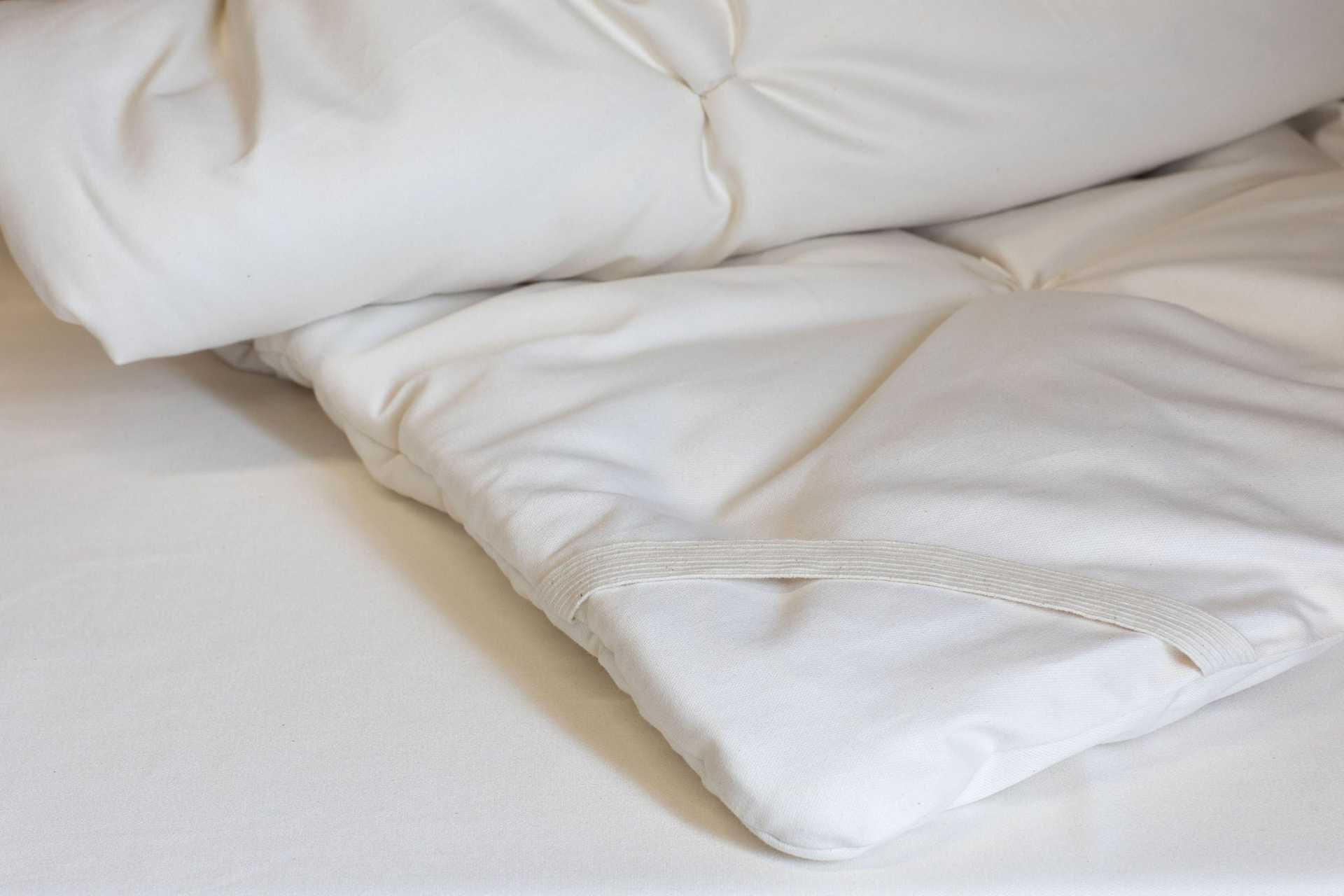
The category highlights the Natural Child's Crib Mattress Topper as a specialized option designed to fit standard crib dimensions with safety-focused materials. This topper emphasizes gentle firmness, non-toxic finishes, and breathable fabrics to support ergonomic development and comfortable sleep for infants. Functionally, it aids in smoothing uneven crib surfaces and provides a stable surface for safe positioning.
Use cases for mattress toppers span guest rooms, dormitories, and daily home use, where toppers can tailor a mattress to preferred firmness levels and sleeping styles. Features to compare include thickness ranges, edge construction, and whether the topper is machine washable or easy to spot-clean, contributing to long-term hygiene and convenience in bedding care.
In summary, a mattress topper enhances comfort, supports spinal alignment, and can help regulate sleep temperature. By considering material composition, breathability, and size compatibility, consumers can identify toppers that work with existing bedding such as sheets and pillows, while aligning with values around organic mattresses and eco-friendly latex options.
 Bedding